NASA’s CYGNSS mission featured in the “RTX Living in the Space Age Hall” Exhibit
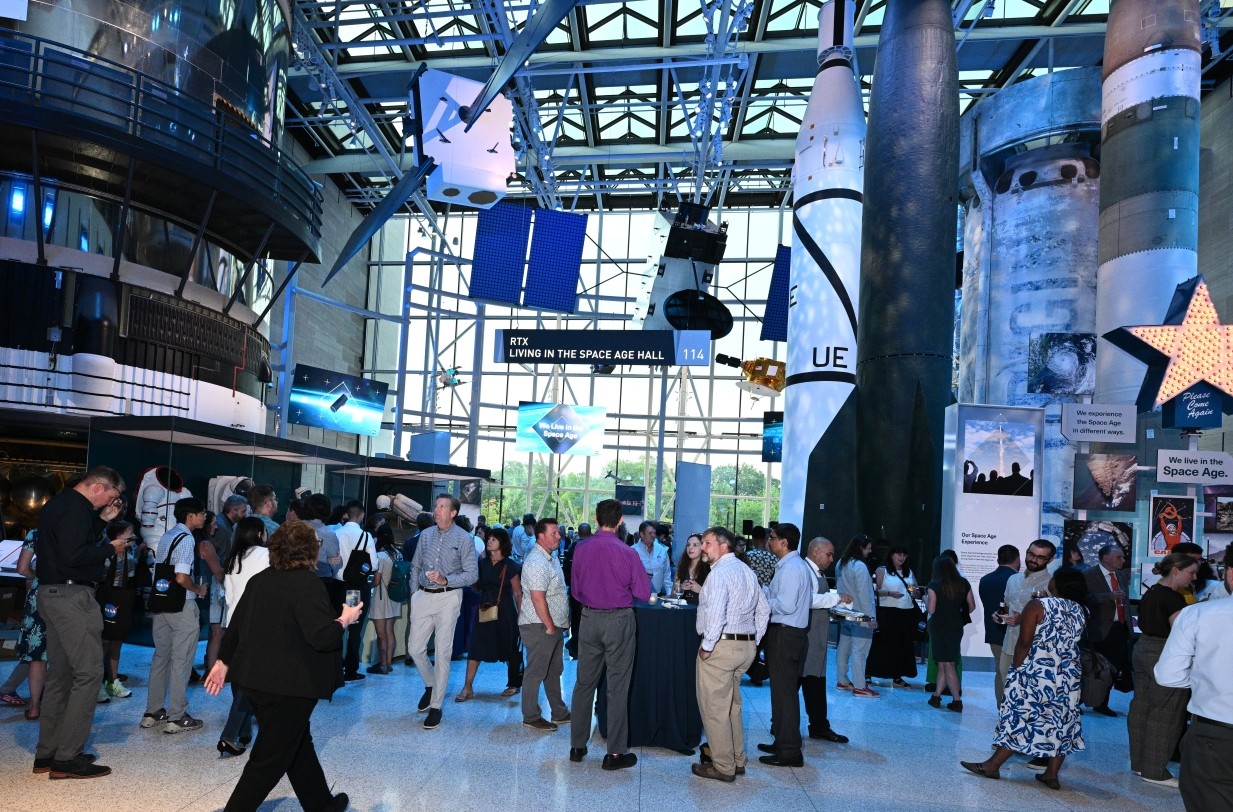
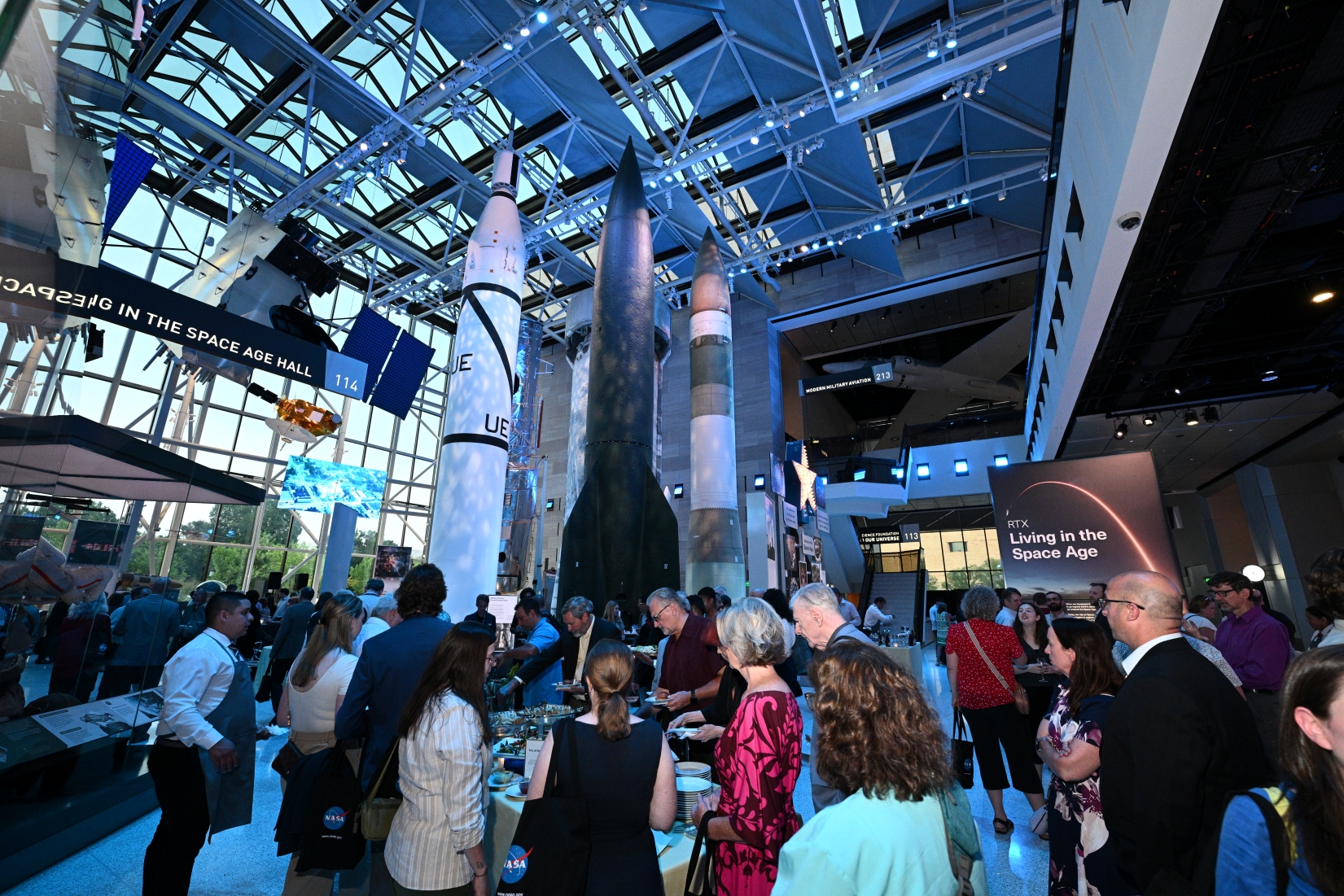
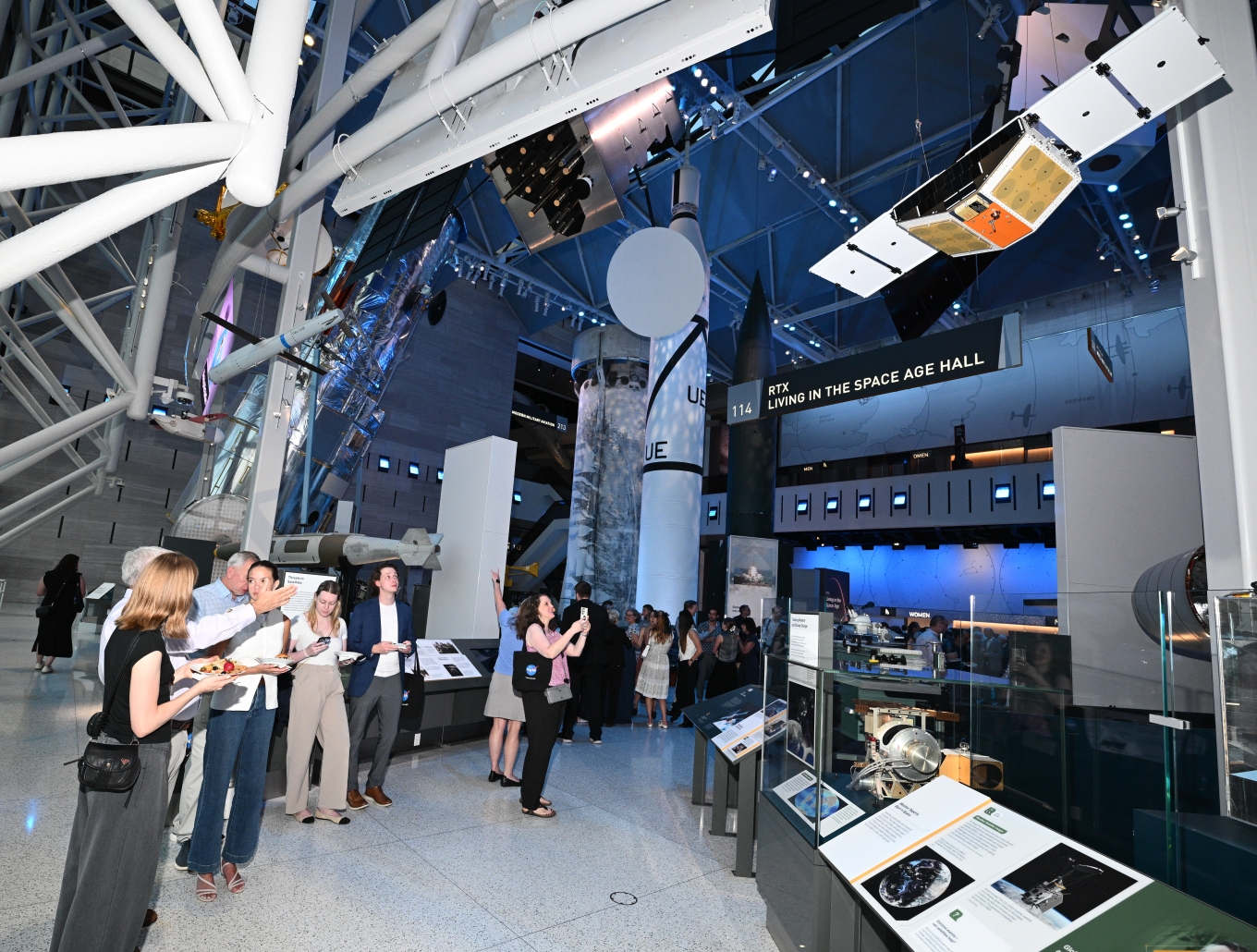
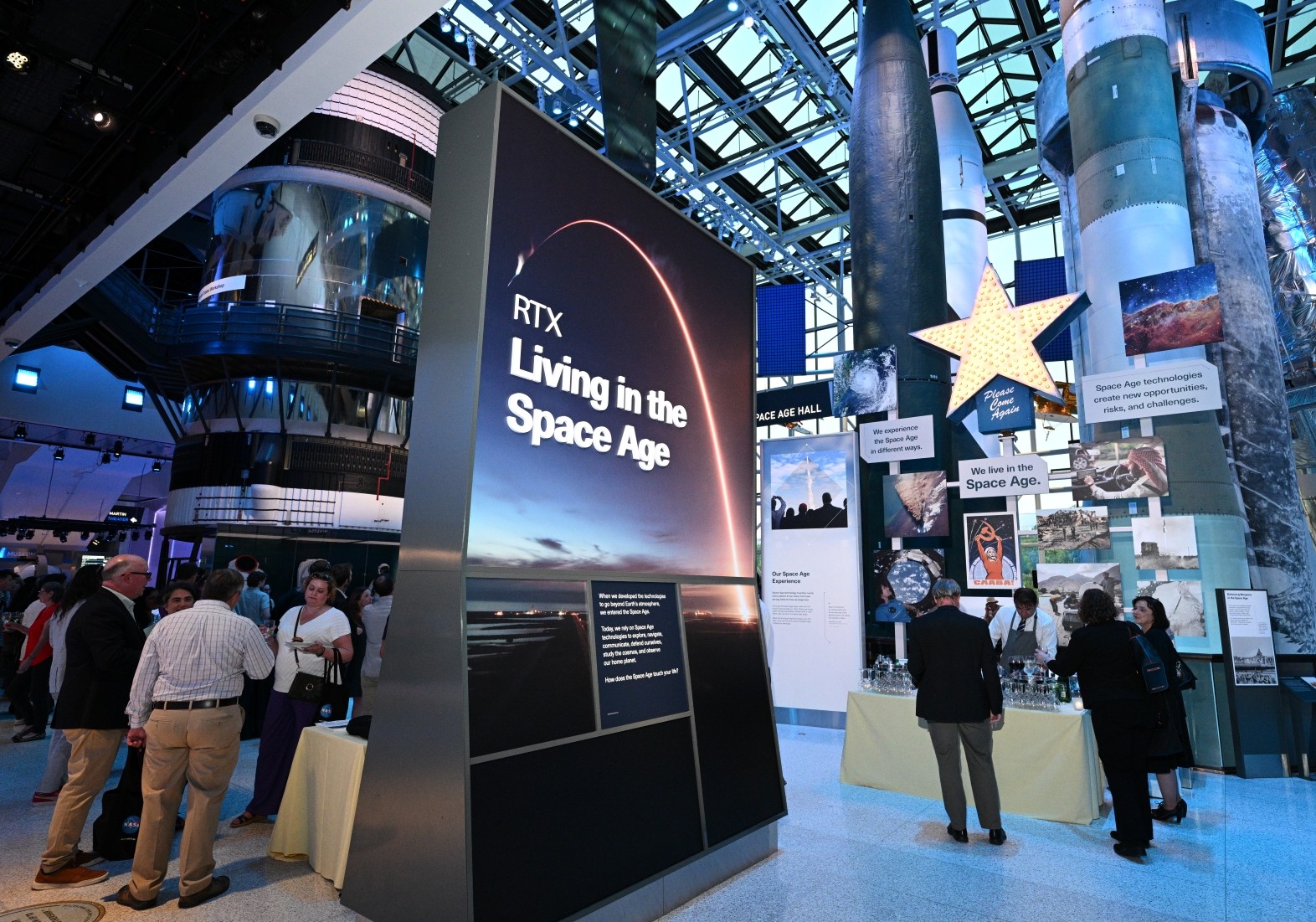
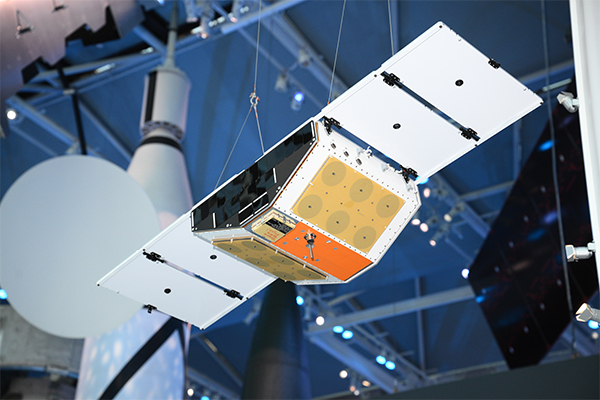
A reception was held at the Smithsonian National Air and Space Museum on August 11 to celebrate a decade of the CYGNSS Mission and its impact on earth science. A model of a CYGNSS satellite was featured in the museum’s new RTX Living in the Space Age Hall exhibit.
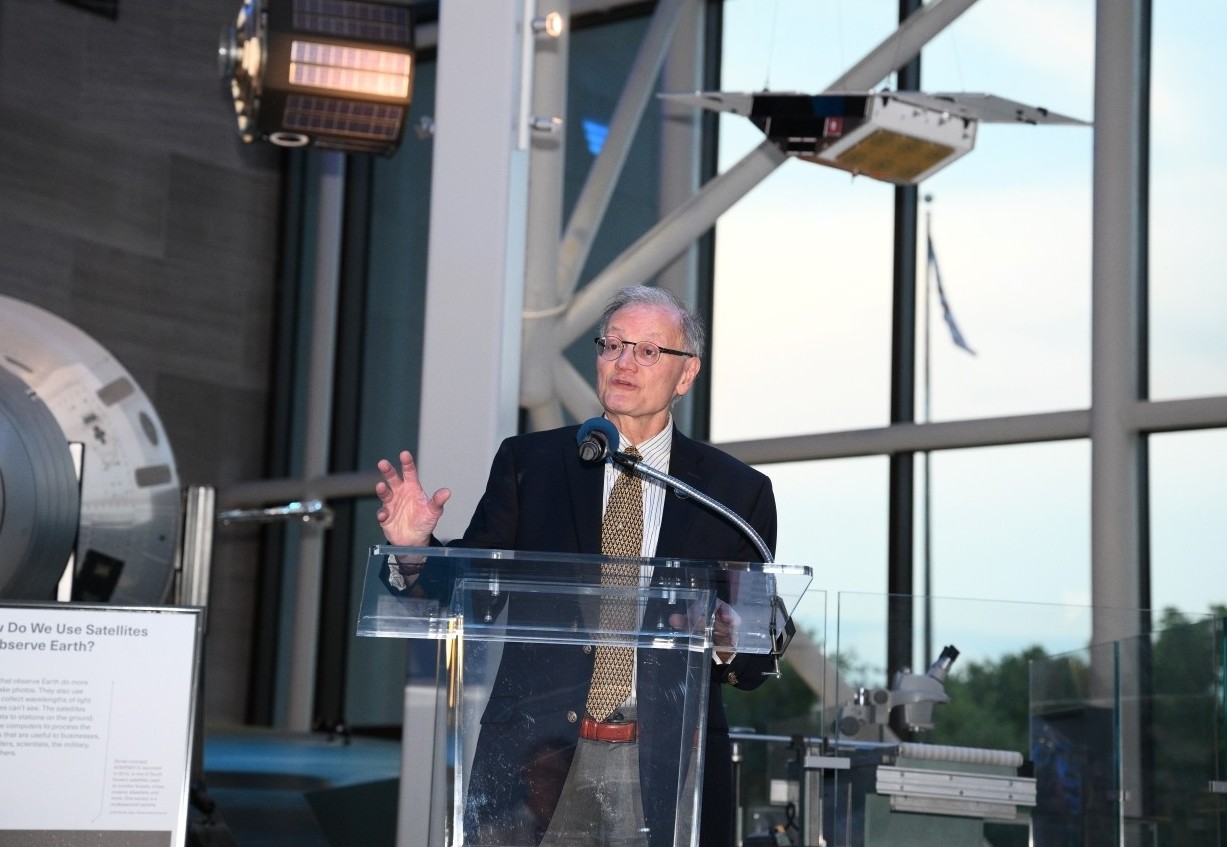
Led by Principal Investigator Dr. Chris Ruf, who is a professor at U-M Climate and Space Sciences and Engineering and director of the University of Michigan Space Institute, the CYGNSS mission launched into orbit aboard the Pegasus XL rocket on December 15, 2016.
The mission has provided invaluable data to protect the public by better forecasting cyclones and hurricanes, and has been instrumental in pioneering a new era of spacecraft design. The technology has been replicated for new Earth science missions by both government agencies and private industries around the world.
“Having CYGNSS added to the permanent collection at the National Air and Space Museum is a wonderful testament to the impact the mission has had on satellite remote sensing of the Earth,” said Chris Ruf.
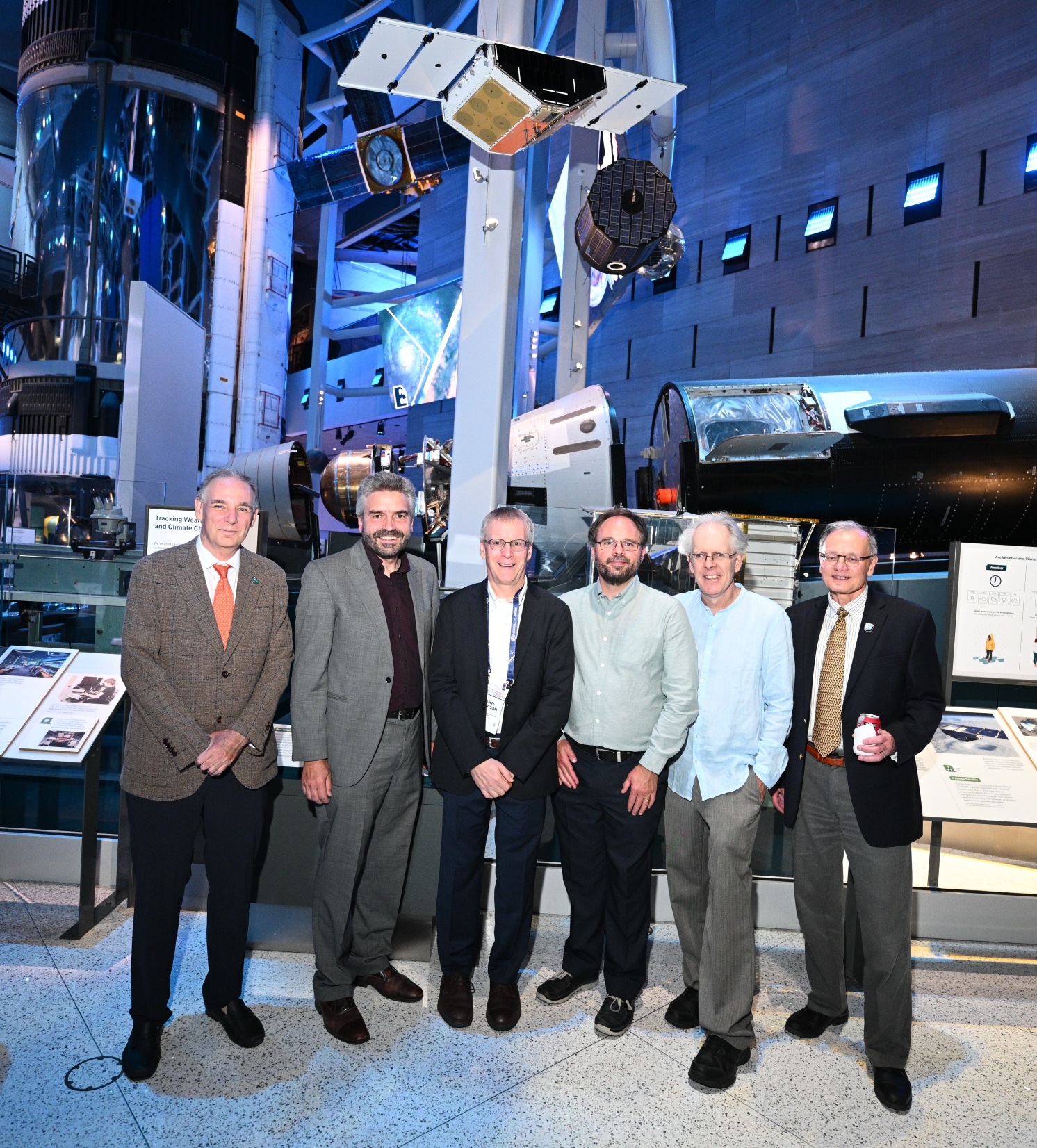
Several presenters attended the event and reflected on the mission’s history and success. Speakers included:
- Chris Ruf, CYGNSS PI, University of Michigan
- Patrick McNally, Space Physics Research Lab Managing Director, University of Michigan
- Susan Pope, Space Science Division Executive Director, Southwest Research Institute
- Karen St. Germain, Earth Science Division Director, NASA
- Manuel Martin-Neira, HydroGNSS Instrument Engineer, ESA
- Shu-Chih Yang, TRITON Mission Scientist, Taiwanese Space Agency
- Jonny Dyer, CEO, Muon Space
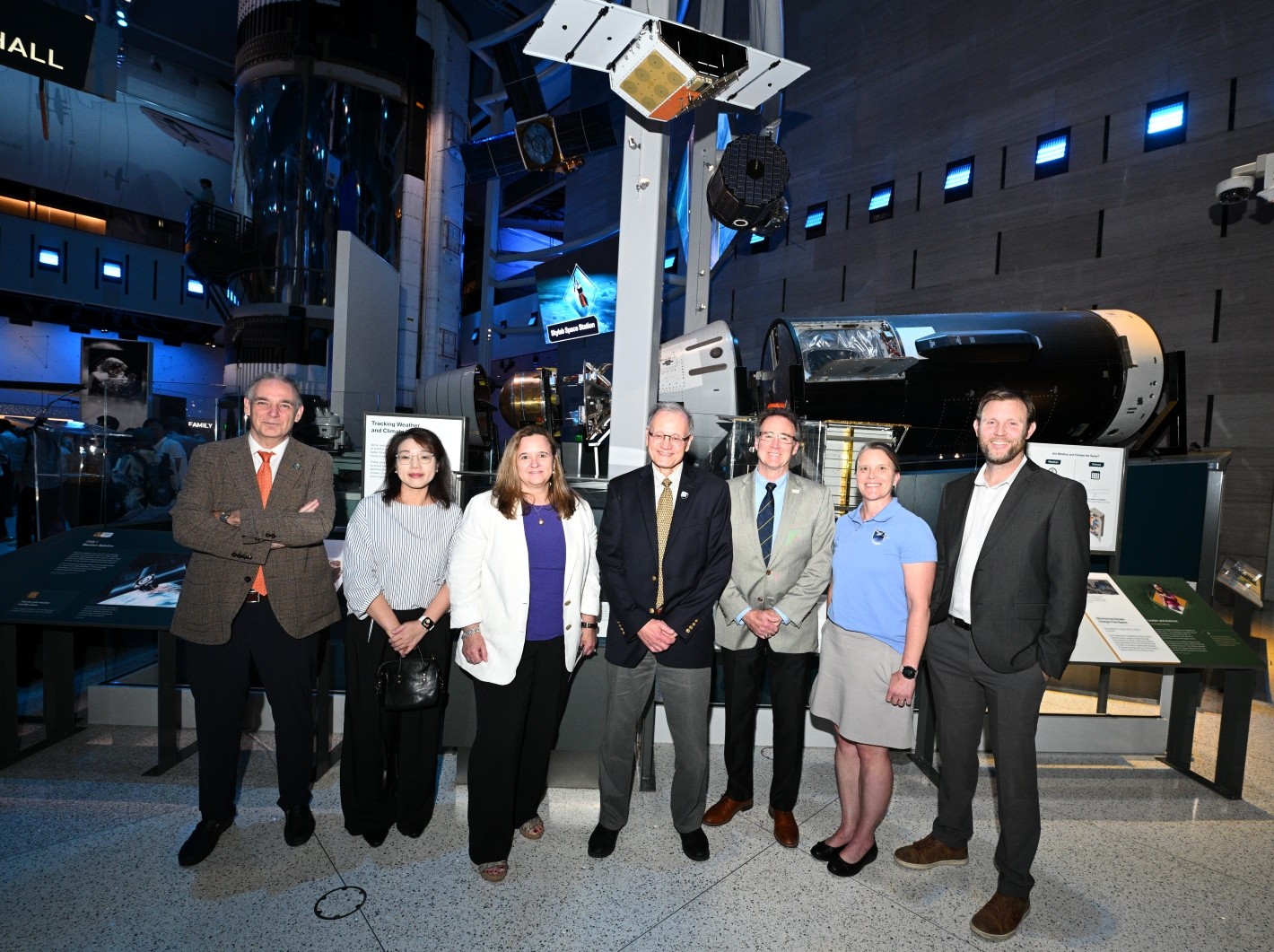
Patrick McNally, Susan Pope, Jonny Dyer
Learn more about the legacy of NASA’s CYGNSS Mission.
Photos by Nick Wass for Michigan Photo.