U-M Joins MOSAIC Build Team to Power Next Generation of Astronomers

MOSAIC
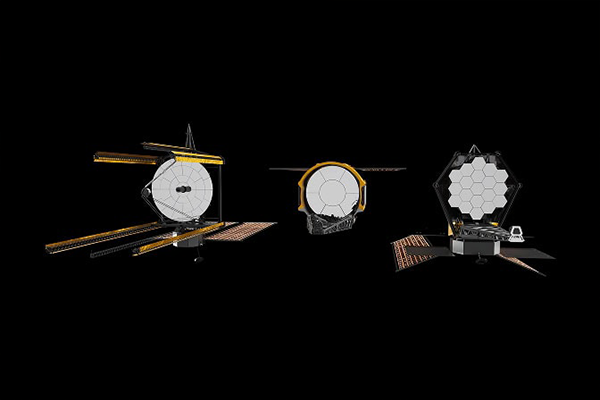
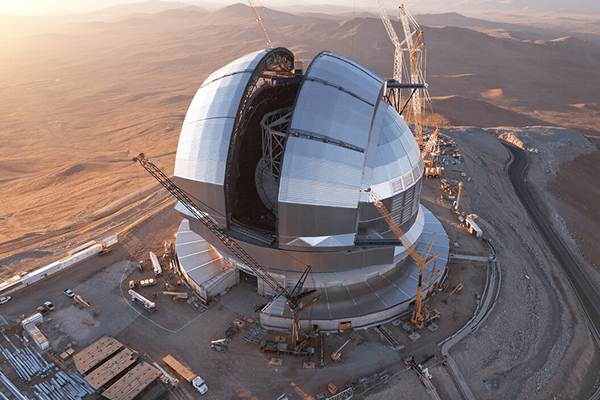
A new partnership between the University of Michigan and an intergovernmental research organization will expand the scope of possibilities for astronomers studying the universe’s first stars and galaxies and how dark matter and dark energy have evolved to the present day. Using the world’s largest telescope and its most complex instrument, U-M scientists will be able to study how the Milky Way gained its mass and shape, how other galaxies were formed, how matter is distributed in the universe and how all of these things have changed over time.

Smithsonian National Air and Space Museum Features CYGNSS Mission Led by University of Michigan

RTX Space Age Exhibit
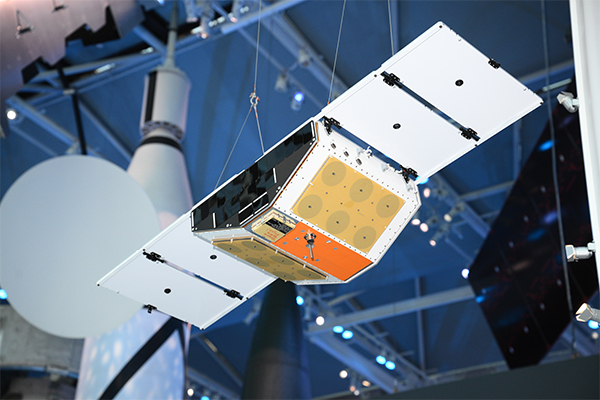
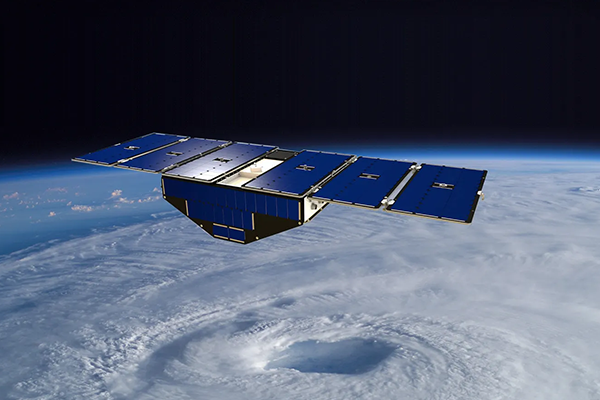
The CYGNSS Mission led at the University of Michigan will be exhibited in the Smithsonian National Air and Space Museum in July. The museum will feature a replica of NASA’s CYGNSS mission in the “RTX Living in the Space Age Hall.” Named the Cyclone Global Navigation Satellite System, CYGNSS was developed at the University of Michigan’s Space Physics Research Laboratory (SPRL) and the Department of Climate and Space Sciences and Engineering (CLASP).

NASA’s SunRISE SmallSats Ace Tests, Moving Closer to Launch

SUNRISE tests
In a mission led by Principal Investigator Professor Sue Lepri, Ph.D., who works as the Director of the Space Physics Research Laboratory, six small satellites (or SmallSats) are moving closer to launch in the Sun Radio Interferometer Space Experiment (SunRISE) Mission. Under the management of NASA’s Jet Propulsion Laboratory, this mission will study the physics of explosions in the Sun’s atmosphere in order to gain insights that could one day help protect astronauts and space hardware from showers of accelerated particles.