
In an article for space.com, Dr. Eric Bell, a professor at the University of Michigan Department of Astronomy, talks about how galaxies Andromeda XXXV and Andromeda could change how we think about cosmic evolution. He was interviewed in the article “Scientists discover smallest galaxy ever seen: ‘It’s like having a perfectly functional human being Continue Reading »
Tag: galaxies
Small, Faint and ‘Unexpected in a Lot of Different Ways’: U-M Astronomers Make Galactic Discovery

A discovery made by a team led by researchers at the University of Michigan tugs at the seams of some key cosmic lessons we thought we had learned from our own galaxy. This dwarf galaxy, named Andromeda XXXV and located roughly 3 million light-years away, is forcing astronomers to rethink how galaxies evolve in different cosmic environments and survive different epochs of the universe.
Getting the Most Out of Cosmic Maps

Research led by the University of Michigan could help put cosmology on the inside track to reaching the full potential of telescopes and other instruments studying some of the universe’s largest looming questions.
The project showcased how a new computational method gleans more information than its predecessors from maps showing how galaxies are clustered and threaded throughout the universe.
Scientists are currently using tools like DESI, the Dark Energy Spectroscopic Instrument, to generate these maps and dig deeper into the nature of dark energy, dark matter and other cosmic mysteries.
Dwarf Galaxies Use 10-Million-Year Quiet Period to Churn Out Stars
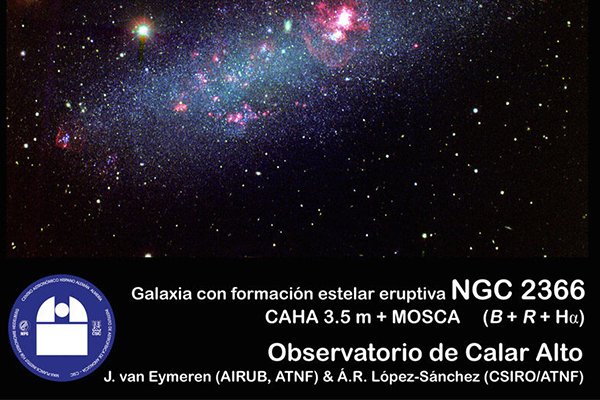
University of Michigan researchers have discovered that galaxies enjoy a 10-million-year delay in blowing out the gas cluttering up their environments.