
NASA’s CYGNSS Transformed Earth Science by Creatively Tuning in to GPS Signals
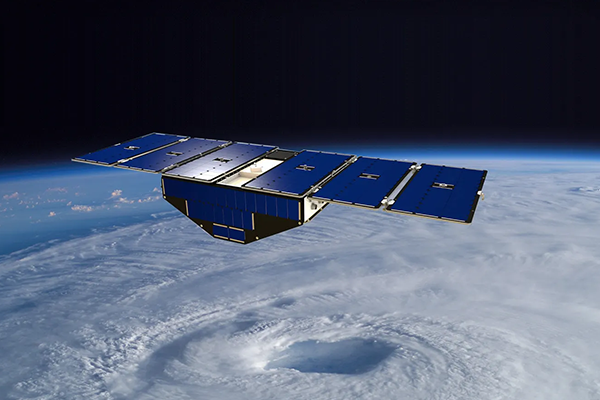
CYGNSS model
When NASA’s Cyclone Global Navigation Satellite System (CYGNSS) launched into orbit in 2016, none of the University of Michigan Engineers who developed the system expected it to transform earth science. They certainly had high hopes for the system’s original mission to improve hurricane forecasting, but its ability to pick up reflected GPS signals also proved useful for so much more.
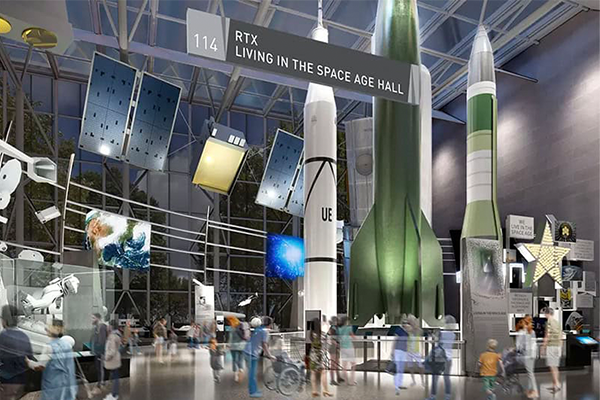
Smithsonian National Air and Space Museum Features CYGNSS Mission Led by University of Michigan

RTX Space Age Exhibit
The CYGNSS Mission led at the University of Michigan will be exhibited in the Smithsonian National Air and Space Museum in July. The museum will feature a replica of NASA’s CYGNSS mission in the “RTX Living in the Space Age Hall.” Named the Cyclone Global Navigation Satellite System, CYGNSS was developed at the University of Michigan’s Space Physics Research Laboratory (SPRL) and the Department of Climate and Space Sciences and Engineering (CLASP).