The People Behind SPAR: Tate Gill

PEPL
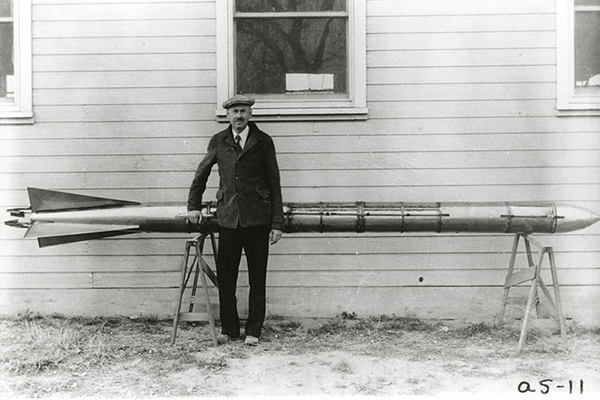
Tate Gill, an assistant research scientist within the Plasmadynamics and Electric Propulsion Laboratory (PEPL), has taken on the technical leadership role as head of the institute’s propulsion division. Since receiving a $35 million award from the USSF University Consortium in late 2024, the University of Michigan has continued to lead one of the nation’s largest efforts to advance space power and propulsion through Space Power and Propulsion for Agility, Responsiveness and Resilience (SPAR) Institute.

The People Behind SPAR: Eric Viges

Eric Viges
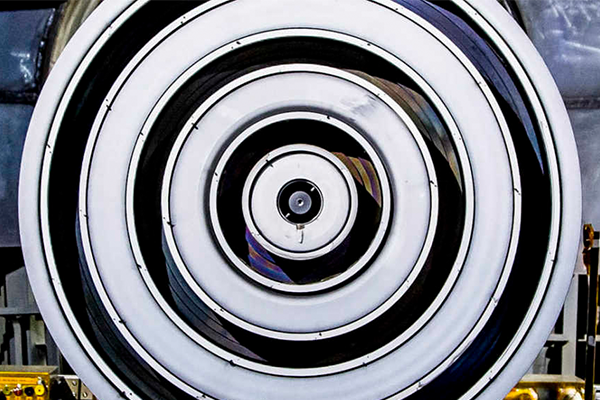
As one of the key players the new Space Power and Propulsion for Agility, Responsiveness and Resilience (SPAR) Institute, Eric Viges is taking on the technical leadership role as head of the institute’s power division. With this, he will be coordinating different elements of the power side to bring together sub team members and do systems demonstrations in Year 2 and Year 5 of the project.

Alumna Aisha Bowe Ready to Launch on Historic All-Women Space Flight

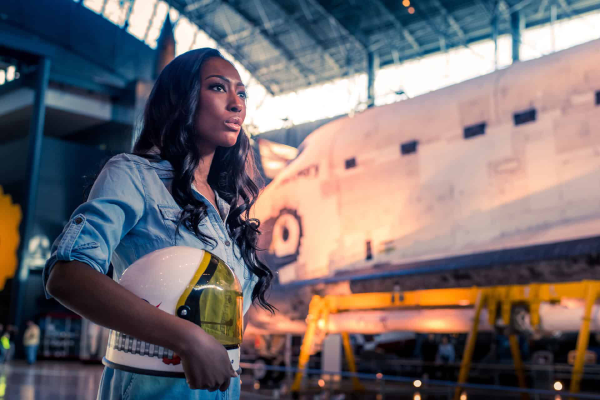
Aisha Bowe in Museum
Aisha Bowe, an alumna from Michigan Aerospace, is set to board the first-ever all-women Blue Origin flight, scheduled to launch on April 14, 2025. This historic flight will be Blue Origin’s 11th human space mission that will cross the Kármán line – the internationally recognized boundary between Earth’s atmosphere and outer space, 62 miles (100 km) above Earth.

“U-M Selected by the U.S. Space Force for Research Development Institute”

Dr. Benjamin Jorns, an associate professor for Michigan Aerospace Engineering and the director of the Plasmadynamics and Electric Propulsion Laboratory (PEPL), was featured in “U-M selected by the U.S. Space Force for research development institute” for The Michigan Daily. The University will receive $34.9 million in funding to work alongside the Rochester Continue Reading »

Enduring the Fireball of Spacecraft Re-entry through Improved Radiative Heating Prediction

earth
When we think about space missions, our minds often drift to unforgettable moments from the Apollo missions, the Space Shuttle Orbiter, or blockbuster movies. Among the many lasting memories from these endeavors, the image of the spacecraft engulfed in fiery plasma before safely landing back on Earth may be the most significant, as it symbolizes a successful mission. At the University of Michigan Department of Aerospace Engineering, researchers are working to better understand the complex scientific and engineering efforts behind these awe-inspiring scenes to ensure our astronauts continue to get home safely.

MRover Brings Home Top Ten Finish in International Competition

rover
The University of Michigan Mars Rover Team (MRover) team took home a ninth place win at this year’s University Rover Challenge (URC) which took place over the weekend of May 29 at the Mars Desert Research Station (MDRS). The top ten finish was a cause for celebration for the team after a major setback last August, 2023, when the team lost all of their tools and equipment in a fire, forcing them to restart late into their design cycle.